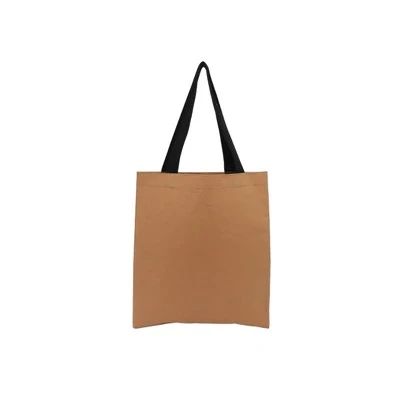

Can I add biodegradable cotton bags to my home compost bin?
In the age of environmental consciousness, more and more people are turning to sustainable alternatives to reduce their carbon footprint. One such popular option is biodegradable cotton bags. As a supplier of Biodegradable Cotton Bags, I often receive inquiries from customers about the proper disposal of these bags, especially regarding whether they can be added to a home compost bin. In this blog post, we'll explore the science behind biodegradation, the characteristics of cotton bags, and the feasibility of composting them at home.
Understanding Biodegradation
Biodegradation is the process by which organic substances are broken down by microorganisms such as bacteria, fungi, and other decomposers. These microorganisms consume the organic matter as a source of energy and nutrients, converting it into simpler compounds like carbon dioxide, water, and biomass. The rate and extent of biodegradation depend on several factors, including the type of material, environmental conditions (such as temperature, moisture, and oxygen availability), and the presence of appropriate decomposers.
Cotton is a natural fiber made from the fibers of the cotton plant (Gossypium spp.). It is an organic material, which means it is composed mainly of carbon-based compounds and can potentially be broken down by microorganisms. However, not all cotton products are created equal when it comes to biodegradability.
Types of Cotton Bags and Their Biodegradability
Natural Cotton Bags
Natural cotton bags are made from unbleached and untreated cotton fibers. They are the most environmentally friendly option as they contain no synthetic chemicals or additives that could inhibit biodegradation. Natural cotton bags are highly biodegradable and can be broken down relatively quickly under the right composting conditions.
Organic Cotton Reusable Bags
Similar to natural cotton bags, organic cotton reusable bags are made from cotton that has been grown without the use of synthetic pesticides, fertilizers, or genetically modified organisms (GMOs). These bags are also biodegradable and are a great choice for those looking to minimize their environmental impact.
Embroidered Cotton Bags
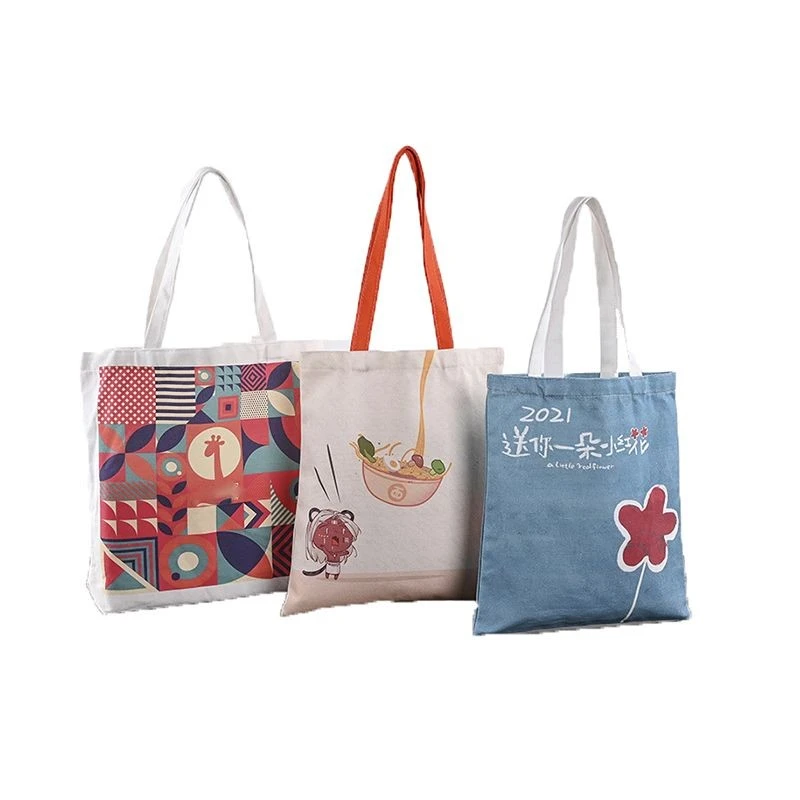
Embroidered cotton bags add a decorative touch to the traditional cotton bag. However, the embroidery thread and any additional embellishments may affect the bag's biodegradability. If the thread is made from a natural fiber like cotton or silk, it will be biodegradable. But if it is made from synthetic materials such as polyester or nylon, it may not break down in the compost bin. It's important to check the composition of the embroidery materials before adding the bag to your compost.
Cotton Eco Bags
Cotton eco bags are designed with sustainability in mind. They are often made from recycled cotton or a blend of natural and recycled fibers. These bags are generally biodegradable, but the presence of recycled materials may affect the rate of decomposition. Some recycled cotton may have been treated with chemicals during the recycling process, which could slow down biodegradation.
Composting Biodegradable Cotton Bags at Home
Now that we understand the different types of cotton bags and their biodegradability, let's discuss whether you can add them to your home compost bin.
Conditions for Successful Composting
For a home compost bin to work effectively, it needs to provide the right conditions for microorganisms to thrive. These conditions include:
- Oxygen: Aerobic microorganisms require oxygen to break down organic matter. Turning your compost pile regularly helps to ensure adequate oxygen supply.
- Moisture: The compost pile should be moist, but not too wet. A good rule of thumb is to keep the moisture level similar to that of a wrung-out sponge.
- Temperature: Microorganisms are most active at temperatures between 110°F and 160°F (43°C and 71°C). Insulating your compost bin and adding enough organic matter can help maintain the right temperature.
- Carbon-to-Nitrogen Ratio (C:N): A balanced C:N ratio is essential for efficient composting. A ratio of about 30 parts carbon to 1 part nitrogen is ideal. Cotton bags are high in carbon, so you'll need to add nitrogen-rich materials such as grass clippings, food scraps, or manure to your compost pile.
Preparing the Cotton Bags for Composting
Before adding your biodegradable cotton bags to the compost bin, it's a good idea to cut them into small pieces. This increases the surface area of the material, making it easier for microorganisms to access and break down. Remove any non-biodegradable components such as zippers, buttons, or synthetic embroidery threads.

Monitoring the Composting Process
Once you've added the cotton bags to your compost bin, keep an eye on the composting process. It may take several months for the bags to fully decompose, depending on the conditions in your compost bin. If you notice any signs of slow decomposition, such as a foul smell or a lack of heat, you may need to adjust the moisture, oxygen, or C:N ratio of the compost pile.
Benefits of Composting Biodegradable Cotton Bags
Composting biodegradable cotton bags offers several benefits:
- Reduces Waste: By composting the bags, you divert them from landfills, where they would otherwise take a long time to decompose and may release greenhouse gases.
- Enriches Soil: The compost produced from the cotton bags can be used to enrich your garden soil, improving its structure, fertility, and water-holding capacity.
- Promotes Sustainability: Composting is a sustainable way to manage organic waste and close the loop on the life cycle of biodegradable products.
Conclusion
In conclusion, yes, you can add biodegradable cotton bags to your home compost bin, but it's important to choose the right type of bags and follow the proper composting procedures. Natural cotton bags, organic cotton reusable bags, and most cotton eco bags are suitable for composting, as long as they are free of non-biodegradable components. Embroidered cotton bags may require some extra attention to ensure that the embroidery materials are also biodegradable.
If you're interested in purchasing high-quality biodegradable cotton bags for your personal or business use, we invite you to explore our wide range of products. Our Biodegradable Cotton Bags are designed to be both eco-friendly and durable. Whether you need Cotton Eco Bags for everyday use, Natural Cotton Bags for a more rustic look, Embroidered Cotton Bags for a touch of style, or Organic Cotton Reusable Bags for a truly sustainable option, we have you covered.
If you have any questions or would like to discuss your specific requirements, please feel free to reach out to us. We look forward to the opportunity to work with you and help you make a positive impact on the environment.
References
- "Biodegradation of Textiles." Textile Institute, 2019.
- "Composting at Home." Environmental Protection Agency, 2021.
- "The Science of Cotton: A Natural Fiber." Cotton Incorporated, 2020.