

Jute bags are containers made from the bast fibers of the jute plant; they are classified as a type of shopping bag. Jute fiber is the world's second most important natural fiber-ranking just behind cotton-and is 100% biodegradable. Its history dates back to 3000 BC, and it is primarily produced in India and Bangladesh.
Jute bags were once a vital tool for transporting goods in modern China, widely used due to their low cost, durability, and eco-friendliness. However, with the rise of synthetic fibers, the use of jute in China gradually declined. Today, many countries advocate using jute fiber instead of synthetic alternatives to promote environmental sustainability; modern degumming processes have been improved to reduce water pollution and yield finer fibers suitable for high-end products. India and Bangladesh account for over 95% of global production, while China relies on imports.
Introduction to Jute Bags
Popular Products
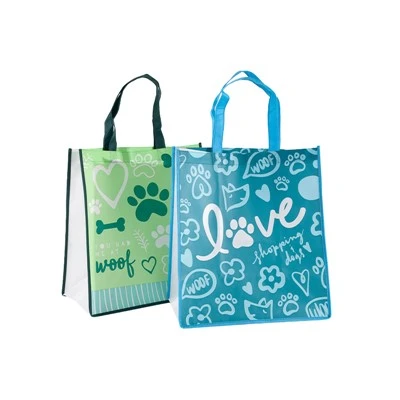
Collapsible Non-woven Bags
When expanded, the bag measures 40 × 45 × 12 centimeters, which is similar to a standard shopping bag. When folded,...
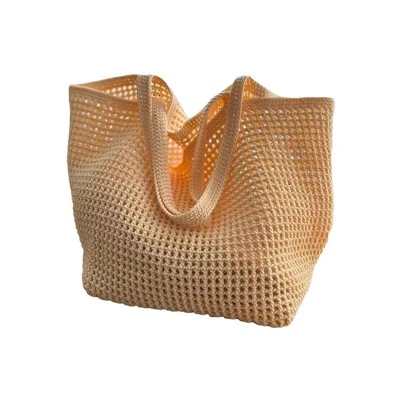
Reusable Woven Bags
Our reusable woven bags are made from PP woven fabric with a weight of 70 to 110 grams per square meter. We can also...
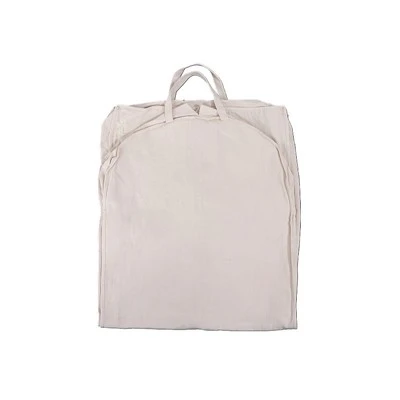
PEVA Suit Covers
These PEVA suit covers are made from PEVA eco-friendly film. We offer three thickness options to meet different...
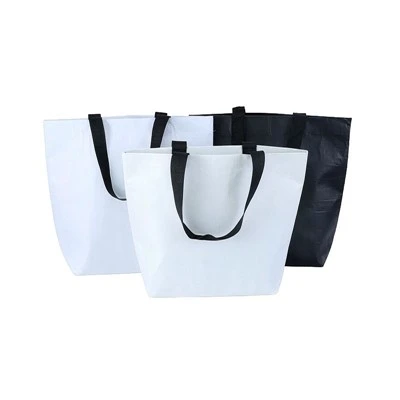
Rpet Non Woven Tote Bag
This rpet non woven tote bag is made from RPET recycled non-woven fabric with a weight of 90 to 130 grams per square...
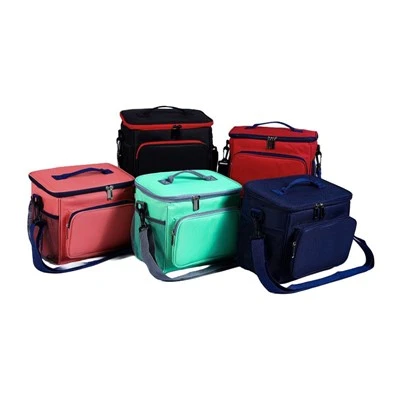
Insulated Bag with Shoulder Strap
This insulated bag with shoulder strap features a three-layer structure designed for convenient carrying and...
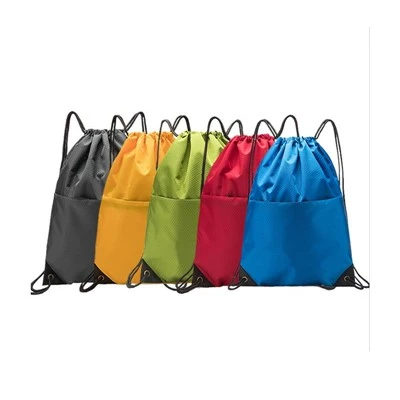
Polyester Sublimation Tote Bags
These polyester sublimation tote bags use polyester fabric in 190T or 210T specifications. The base fabric is...