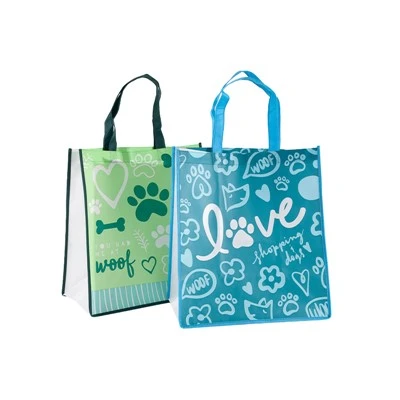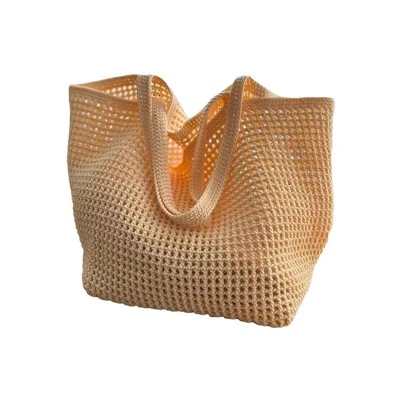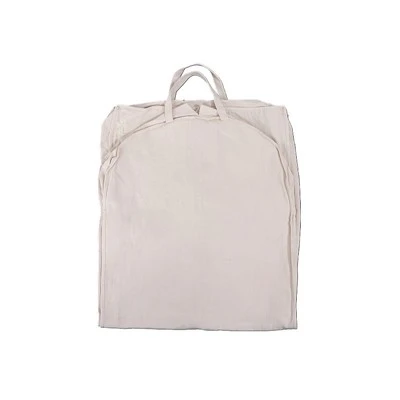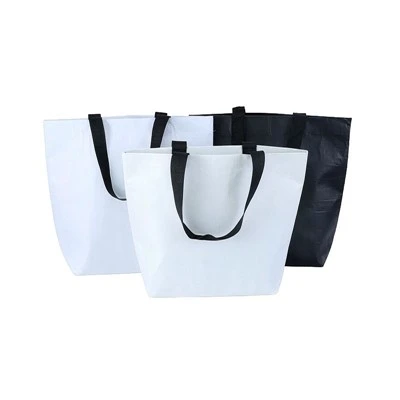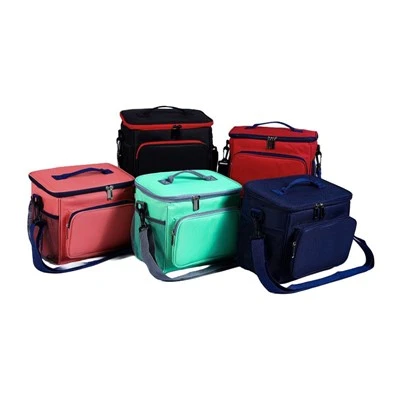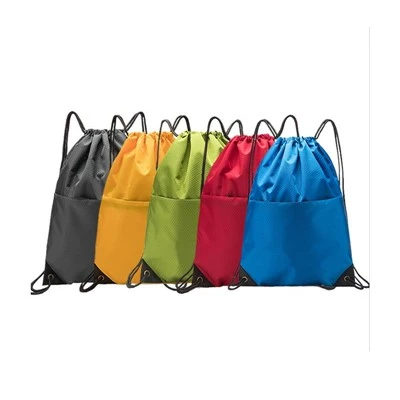
These bags provide dust and scratch protection as well as basic moisture resistance for the enclosed products through physical shielding and material properties, while also meeting environmental sustainability standards. Made from recycled PET (polyethylene terephthalate) plastic, the material undergoes a specialized process to form a non-woven fabric structure; this approach reduces the environmental burden of plastic waste while maintaining essential packaging performance.
RPET is an eco-friendly material produced by recycling waste PET plastics (such as mineral water and beverage bottles) through processes including cleaning, shredding, melting, and reprocessing, offering significant benefits in terms of sustainability and resource recycling.
Environmental Friendliness: By recycling waste PET, RPET reduces the consumption of petroleum resources and mitigates environmental pollution associated with landfilling or incinerating plastic waste, aligning with the principles of sustainable development.
Physical Properties: It retains key PET characteristics such as chemical resistance, high transparency, and good mechanical strength. However, as the recycling process may introduce impurities, its performance is slightly lower than that of virgin PET, necessitating process optimizations (such as toughening or modification) to enhance its properties.
Processability: It can be processed into fibers, films, or containers using techniques such as blow molding, injection molding, and spinning, making it suitable for a wide range of manufacturing applications.