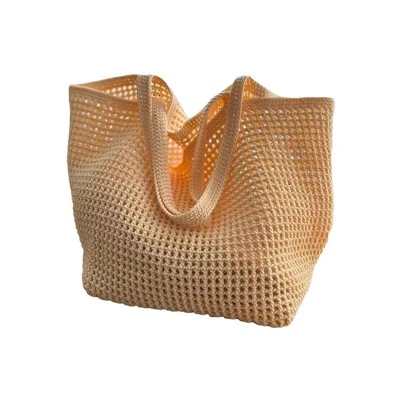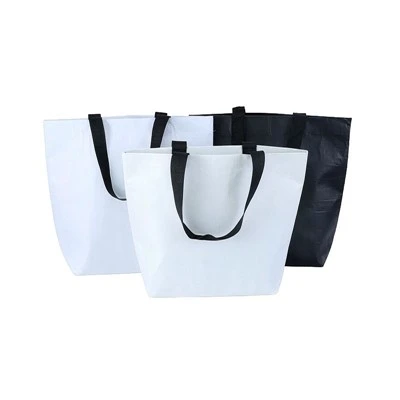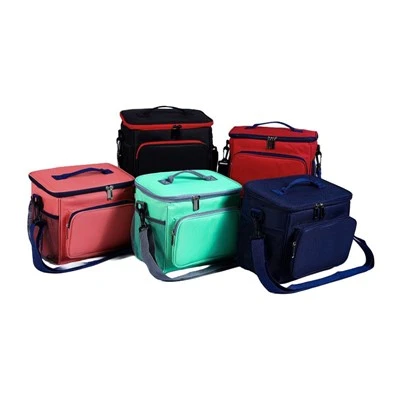
Key inspection points include examining the appearance, checking the stitching, smelling for odors, and inspecting the printing and dyeing. When examining the appearance, carefully check for flaws, stains, or creases, and feel the material to assess its texture and thickness. When checking the stitching, ensure seams are secure and stitches are neat, without looseness or breakage; you can also pull on the seams to test strength and durability. Smell the bag; if there is an unpleasant or pungent odor, it may indicate the presence of added chemicals or contaminants, making it unsuitable for purchase. Finally, inspect the printing and dyeing by gently rubbing the surface to check for peeling or color bleeding; high-quality cotton bags feature durable, secure prints.
1. Material Selection: High-quality cotton bags should be made from pure cotton, offering good tensile strength and abrasion resistance. Additionally, the material should be odorless, free from contaminants, and compliant with environmental standards.
2. Weave Density: Weave density is a crucial indicator of quality; higher density results in greater strength and durability. Generally, cotton bags with a density exceeding 200 threads per square inch are considered high-quality.
3. Stitching Quality: High-quality cotton bags should feature secure stitching with even, tight stitches, free from skipped or missed stitches. Seams should lie flat, without noticeable looseness or misalignment.
4. Printing and Dyeing: For printed or dyed cotton bags, colors should be vibrant and uniform, without issues such as color inconsistency or bleeding. Printed patterns should be clear, distinct, and resistant to peeling.