

Non-woven bags are a new product designed to replace "white pollution" (plastic waste). As environmental concerns grow and authorities promote energy conservation and eco-friendly practices, environmentally conscious individuals have turned to non-woven bags as a solution; the advantages of these bags are evident. Despite the name "cloth," these bags are actually made from synthetic materials-specifically, plastic-based non-woven fabrics-rather than natural fibers. Stitch-bonded non-woven bags are a type of dry-laid non-woven fabric; the stitch-bonding process reinforces fiber webs, yarn layers, or other materials (such as plastic sheets or metal foils) using a warp-knitted loop structure. Common raw materials include polypropylene (PP) and polyethylene terephthalate (PET); in terms of environmental impact, they are similar to standard plastic shopping bags, as none of them are fully biodegradable. Regarding cost-effectiveness, non-woven bags are generally weaker than plastic bags under similar conditions, are not waterproof, and cost several times more. Needle-punched non-woven bags are another type of dry-laid non-woven fabric, created by using needles to mechanically interlock and reinforce a loose fiber web into a fabric. Notably, PP-like the PE used in standard plastic shopping bags-belongs to the "big five" general-purpose plastics, a category of materials that can take up to 50 years to degrade. The production cost of non-woven bags consists of two main components: raw material costs and processing costs. A wide variety of non-woven fabrics is available on the market, each with different costs. Spunlaced non-woven bags are produced by spraying high-pressure, fine water jets onto one or more layers of fiber webs, causing the fibers to entangle and bond, thereby reinforcing the web and providing structural strength. Heat-sealed (or thermal-bonded) non-woven bags are made by incorporating fibrous or powdered hot-melt adhesive materials into the fiber web, which is then heated, melted, and cooled to form a bonded fabric. Non-woven bags are eco-friendly products and a common type of packaging used for shopping, product packaging, advertising, electronics, apparel, and decorative items. Their most significant feature is an environmental friendliness that plastic products lack; they decompose naturally much faster than plastic bags. Consequently, non-woven bags are widely recognized as the most economical and practical eco-friendly shopping bags.
Advantages Of Non-Woven Bags
Popular Products
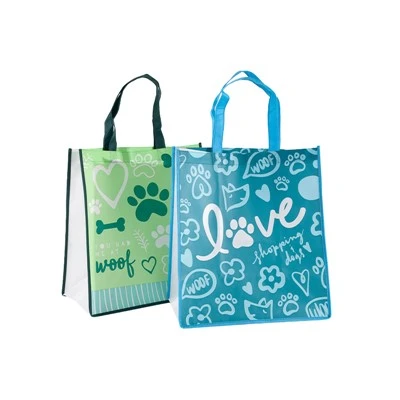
Collapsible Non-woven Bags
When expanded, the bag measures 40 × 45 × 12 centimeters, which is similar to a standard shopping bag. When folded,...
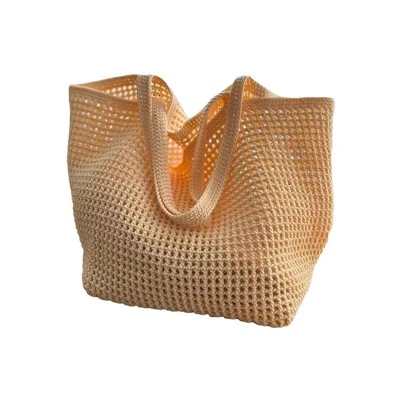
Reusable Woven Bags
Our reusable woven bags are made from PP woven fabric with a weight of 70 to 110 grams per square meter. We can also...
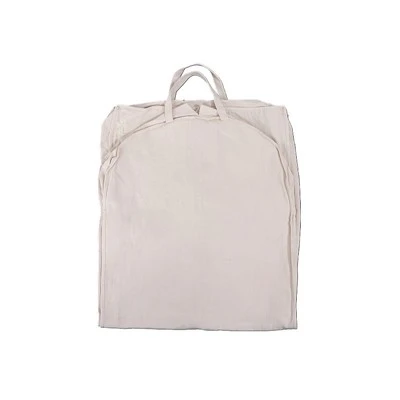
PEVA Suit Covers
These PEVA suit covers are made from PEVA eco-friendly film. We offer three thickness options to meet different...
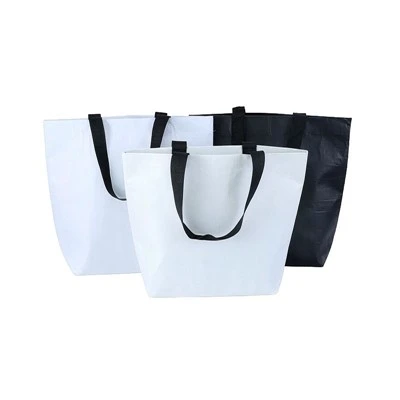
Rpet Non Woven Tote Bag
This rpet non woven tote bag is made from RPET recycled non-woven fabric with a weight of 90 to 130 grams per square...
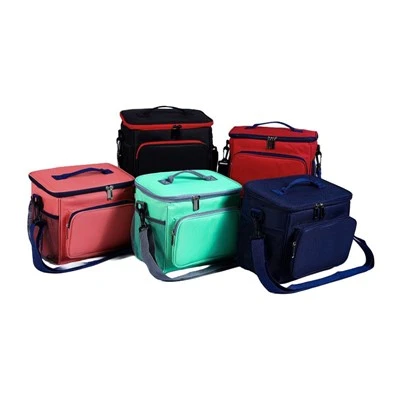
Insulated Bag with Shoulder Strap
This insulated bag with shoulder strap features a three-layer structure designed for convenient carrying and...
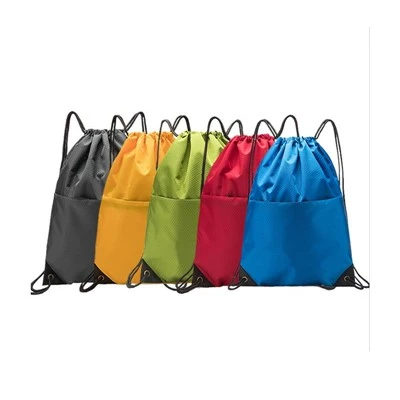
Polyester Sublimation Tote Bags
These polyester sublimation tote bags use polyester fabric in 190T or 210T specifications. The base fabric is...