

Non-woven bags are products made from non-woven fabric-primarily composed of polypropylene (PP)-and are classified as plastic products. They serve as eco-friendly alternatives to non-biodegradable plastic bags and are widely used in sectors such as supermarkets, dining, and food delivery. These bags are moisture-resistant, breathable, lightweight, affordable, and washable for reuse; they produce no toxic fumes, odors, or residues when burned, and some varieties allow for screen-printed advertisements. As a new generation of eco-friendly material, standard-thickness bags can naturally decompose outdoors in approximately 90 days, while their indoor lifespan can reach up to five years.
Companies such as Nanwang Technology specialize in the R&D and manufacturing of non-woven bags-including vest-style and laminated bags-serving markets in regions like Canada and Indonesia, and holding a significant share of the global market. Industry research indicates that non-woven bags must be reused at least 11 times to effectively reduce environmental impact; however, thinner bags that fall below standard thickness specifications are prone to tearing and exhibit abnormal decomposition rates, potentially exacerbating plastic pollution. Since the implementation of China's upgraded "plastic restriction order" in 2020, supermarkets across the country have encouraged plastic reduction through measures such as promoting eco-friendly cloth bags and offering shopping basket rental services.
Introduction To Non-woven Bags
Popular Products
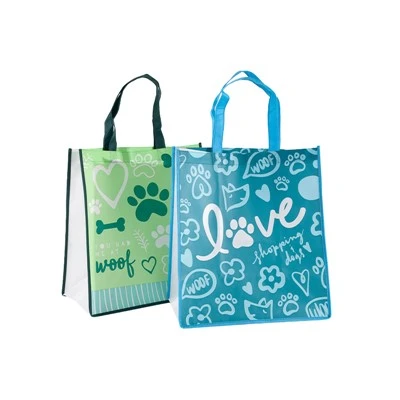
Collapsible Non-woven Bags
When expanded, the bag measures 40 × 45 × 12 centimeters, which is similar to a standard shopping bag. When folded,...
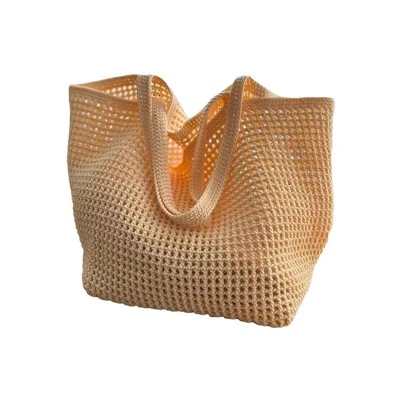
Reusable Woven Bags
Our reusable woven bags are made from PP woven fabric with a weight of 70 to 110 grams per square meter. We can also...
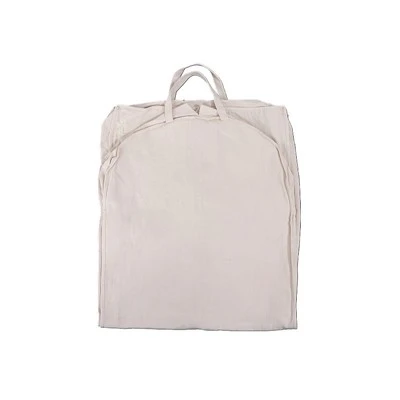
PEVA Suit Covers
These PEVA suit covers are made from PEVA eco-friendly film. We offer three thickness options to meet different...
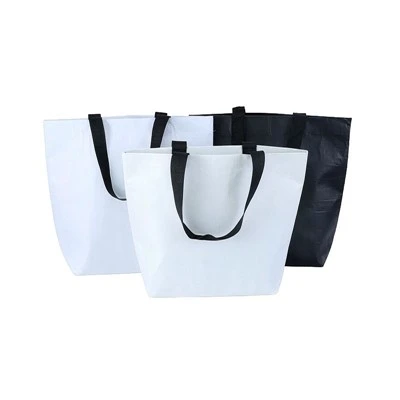
Rpet Non Woven Tote Bag
This rpet non woven tote bag is made from RPET recycled non-woven fabric with a weight of 90 to 130 grams per square...
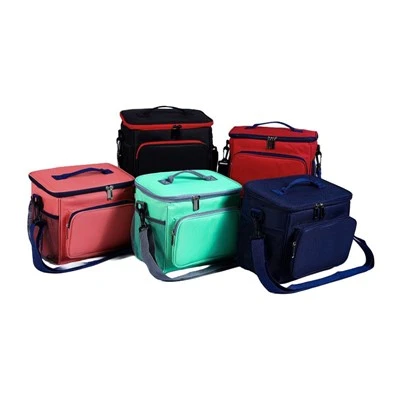
Insulated Bag with Shoulder Strap
This insulated bag with shoulder strap features a three-layer structure designed for convenient carrying and...
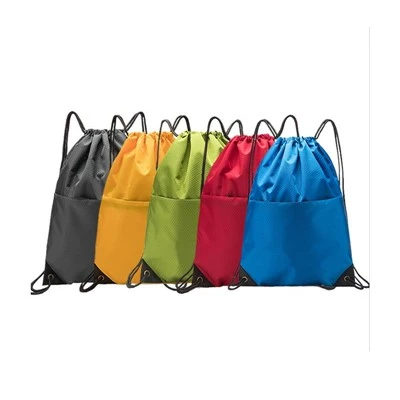
Polyester Sublimation Tote Bags
These polyester sublimation tote bags use polyester fabric in 190T or 210T specifications. The base fabric is...