

Non-woven fabric is a type of textile product formed directly from polymer chips, short fibers, or filaments using various web-forming and consolidation techniques; it is characterized by a soft, breathable, and flat structure. Compared to traditional plastic bags, non-woven bags offer several advantages: they are affordable, eco-friendly, practical, and versatile, while also providing excellent space for advertising. Suitable for various business activities, exhibitions, and trade shows, they serve as ideal promotional gifts for enterprises and institutions.
The raw material for non-woven bags is polypropylene, whereas plastic bags are made from polyethylene. Although their names are similar, these two substances differ significantly in their chemical structures. Polyethylene possesses a highly stable molecular structure that is extremely resistant to degradation, meaning plastic bags can take up to 300 years to fully decompose. In contrast, the chemical structure of polypropylene is less stable; its molecular chains break easily, allowing for effective degradation and safe re-entry into the environmental cycle-a non-woven bag can decompose completely within 90 days.
Non-woven fabric-also known as "bonded fabric"-is a product that resembles cloth but is created without a traditional weaving or knitting process. It is produced by arranging short fibers or filaments-either directionally or randomly-to form a web structure, which is then consolidated using mechanical, thermal bonding, or chemical methods. Most non-woven bags are made from spunbond non-woven fabric.
Simply put, non-woven fabric is not created by interlacing or knitting individual yarns together; instead, the fibers are bonded directly through physical means. This is why, if you examine the fusible interfacing inside a garment, you will find it impossible to pull out individual threads. Non-woven fabric technology breaks away from traditional textile principles, offering advantages such as shorter production processes, high production speeds, high output, low costs, diverse applications, and a wide range of raw material sources. Laminated non-woven bags are produced using a cast-lamination process that ensures a strong bond without the use of adhesives. The material is soft to the touch-lacking the typical feel of plastic-and is non-irritating to the skin. It is suitable for manufacturing hygienic protective items such as disposable medical underpads, bed sheets, surgical gowns, isolation gowns, protective suits, and shoe covers. Bags made from this material are known as laminated non-woven bags.
The Principles Of Non-Woven Bags
Popular Products
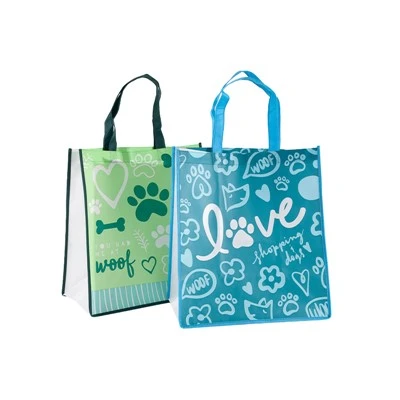
Collapsible Non-woven Bags
When expanded, the bag measures 40 × 45 × 12 centimeters, which is similar to a standard shopping bag. When folded,...
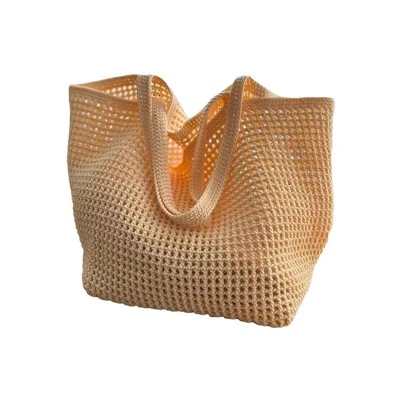
Reusable Woven Bags
Our reusable woven bags are made from PP woven fabric with a weight of 70 to 110 grams per square meter. We can also...
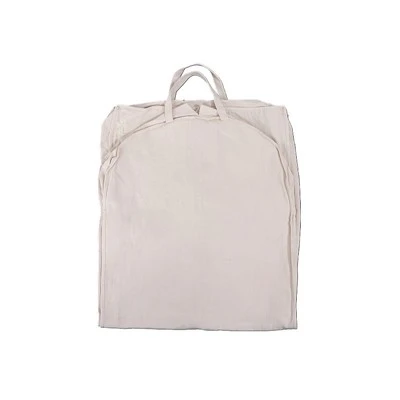
PEVA Suit Covers
These PEVA suit covers are made from PEVA eco-friendly film. We offer three thickness options to meet different...
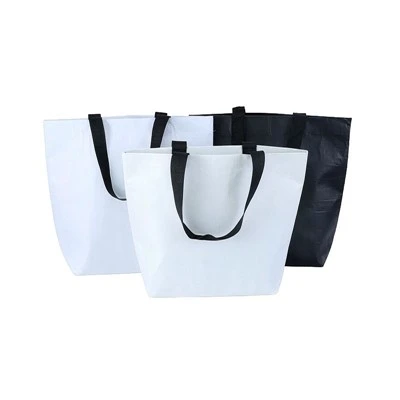
Rpet Non Woven Tote Bag
This rpet non woven tote bag is made from RPET recycled non-woven fabric with a weight of 90 to 130 grams per square...
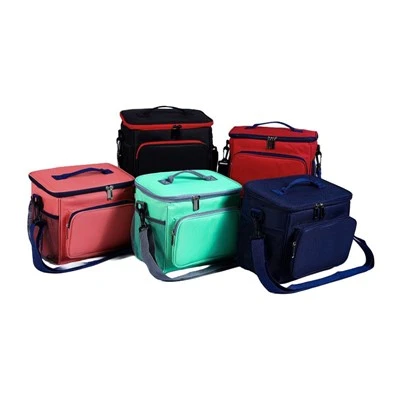
Insulated Bag with Shoulder Strap
This insulated bag with shoulder strap features a three-layer structure designed for convenient carrying and...
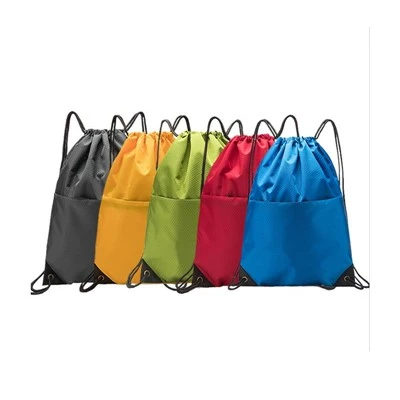
Polyester Sublimation Tote Bags
These polyester sublimation tote bags use polyester fabric in 190T or 210T specifications. The base fabric is...