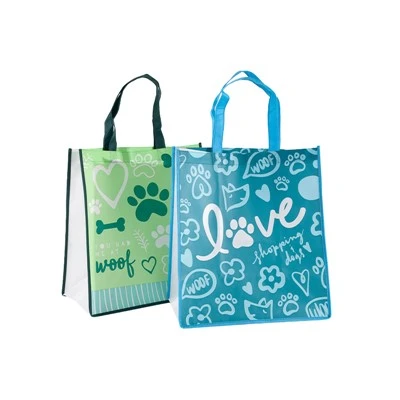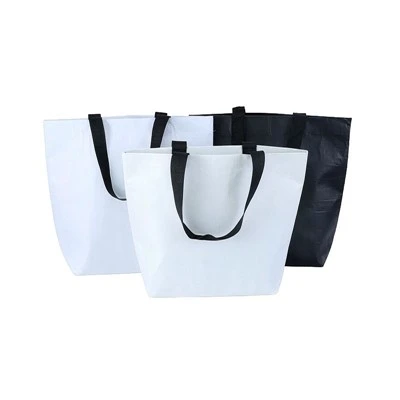
Woven bags (also known as "snake-skin bags") are plastic packaging bags made from polypropylene (PP) or polyethylene (PE). Domestically, polypropylene is the primary material, resulting in products that feel thick and rigid; internationally, polyethylene is more common, offering resistance to low temperatures, acids, and alkalis. The manufacturing process involves melting and extruding the raw material, stretching it into flat tapes, and then weaving them. Structurally, they are classified as "two-in-one" or "three-in-one" bags; stitching styles include sewn-bottom and sewn-side-and-bottom bags, with widths ranging from 450 to 700 mm. According to the national standard GB/T8946-1998, density is determined by the number of warp and weft yarns, with a common standard being 36×36 yarns per 10 cm². These products are widely used for packaging cement (domestic annual consumption is approximately 6 billion bags, accounting for 85% of usage), animal feed, chemical raw materials, and flood control supplies, as well as in geotechnical construction, food packaging, and temporary logistics facilities. Driven by environmental protection policies, the use of non-degradable plastic woven bags will be banned at postal and express delivery outlets nationwide by the end of 2025, a move that is propelling the industry toward degradable materials and accelerating the development of recycling technologies.