1. Industrial and Agricultural Packaging Bags
Due to material availability and cost factors, 6 billion woven bags are used annually in my country for cement packaging, accounting for over 85% of cement packaging. With the development and application of flexible intermediate bulk containers (FIBCs), plastic woven bags are widely used for the packaging and transport of industrial and agricultural products. In the agricultural sector, they are extensively used for packaging aquatic products and poultry feed, as well as for covering materials on farms and in structures providing shade, wind protection, and hail protection for crops. Common products include woven bags for feed, chemicals, putty powder, and urea, as well as mesh bags for vegetables and fruits.
2. Food Packaging Bags
Woven bags are increasingly being adopted for packaging food items such as rice and flour. Common examples include woven bags for rice, flour, and corn.
3. Tourism and Transportation Industries
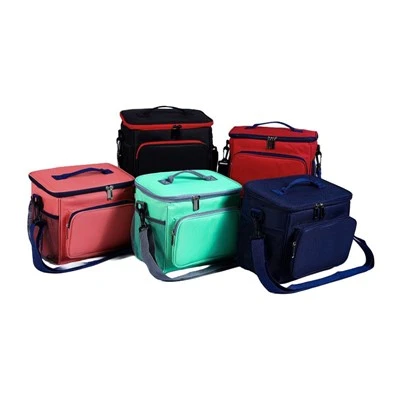
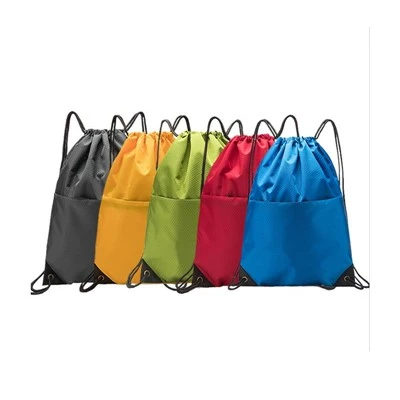
Plastic woven fabrics are utilized in tourism for items such as temporary tents, sun umbrellas, and various travel bags. Tarpaulins made from these materials are widely used for covering goods during transport and storage, replacing heavy cotton tarpaulins that are prone to rotting. Plastic woven materials are also widely used for construction site fencing and safety netting. Common types include logistics bags and freight packaging bags.
Engineering Materials
Since the development of geotextiles in the 1980s, the application scope of plastic woven fabrics has expanded significantly. They are widely used in engineering projects involving small-scale water conservancy, electric power, highways, railways, seaports, mining construction, and military infrastructure. In these projects, geosynthetics serve functions such as filtration, drainage, reinforcement, separation, and seepage prevention; plastic geotextiles are a specific type of synthetic geosynthetic material.